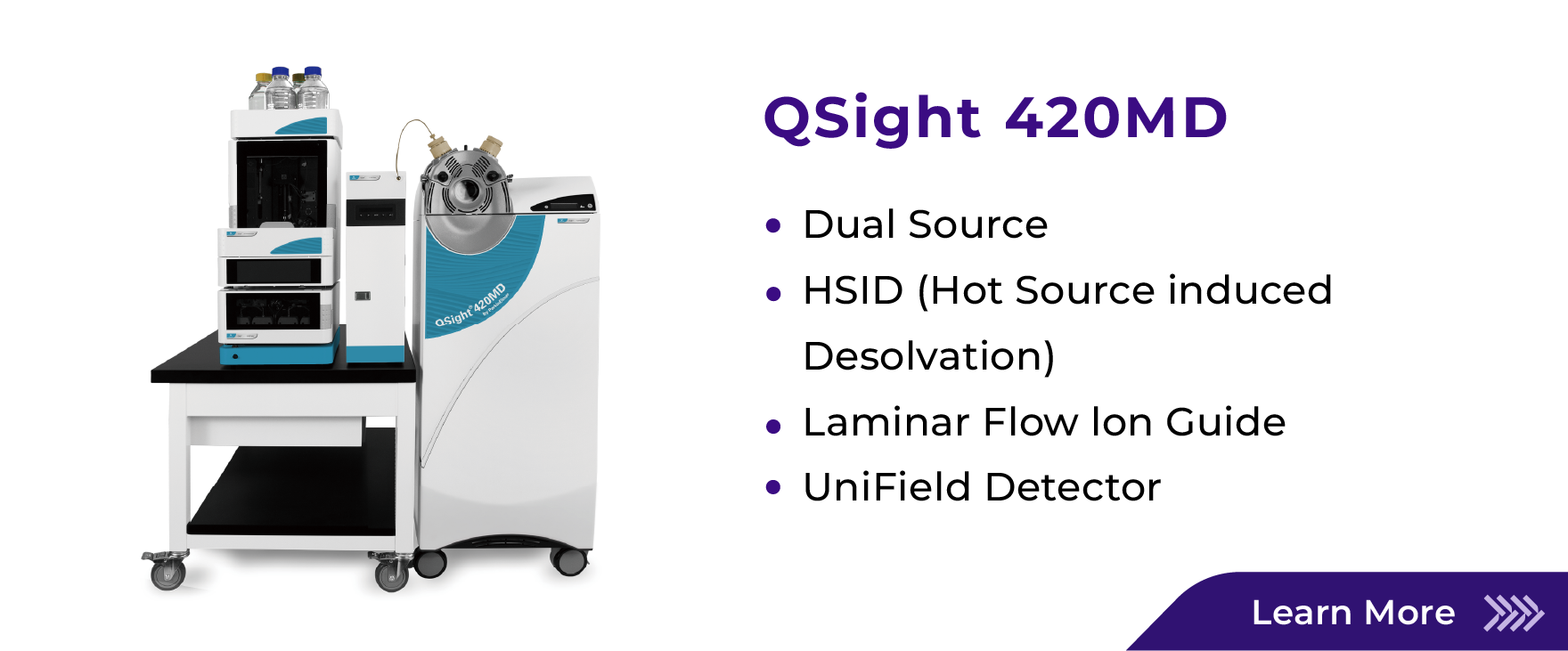
Overview of Integrated Clinical Mass Spectrometry Reagent Kits
Mass spectrometry technology is increasingly being applied in clinical laboratory testing and has become the gold standard or a routine analytical method for the detection of hormones, amino acids, vitamins, drugs, and novel biomarkers. With the gradual development of standardized methods and reagents, clinical mass spectrometry has become a crucial component in routine clinical laboratory applications.
Virtue Diagnostics focuses on the field of clinical mass spectrometry and is committed to providing customers with integrated solutions encompassing instruments, reagents, and services. This article introduces several of Virtue Diagnostics' commercialized clinical mass spectrometry reagent kits.
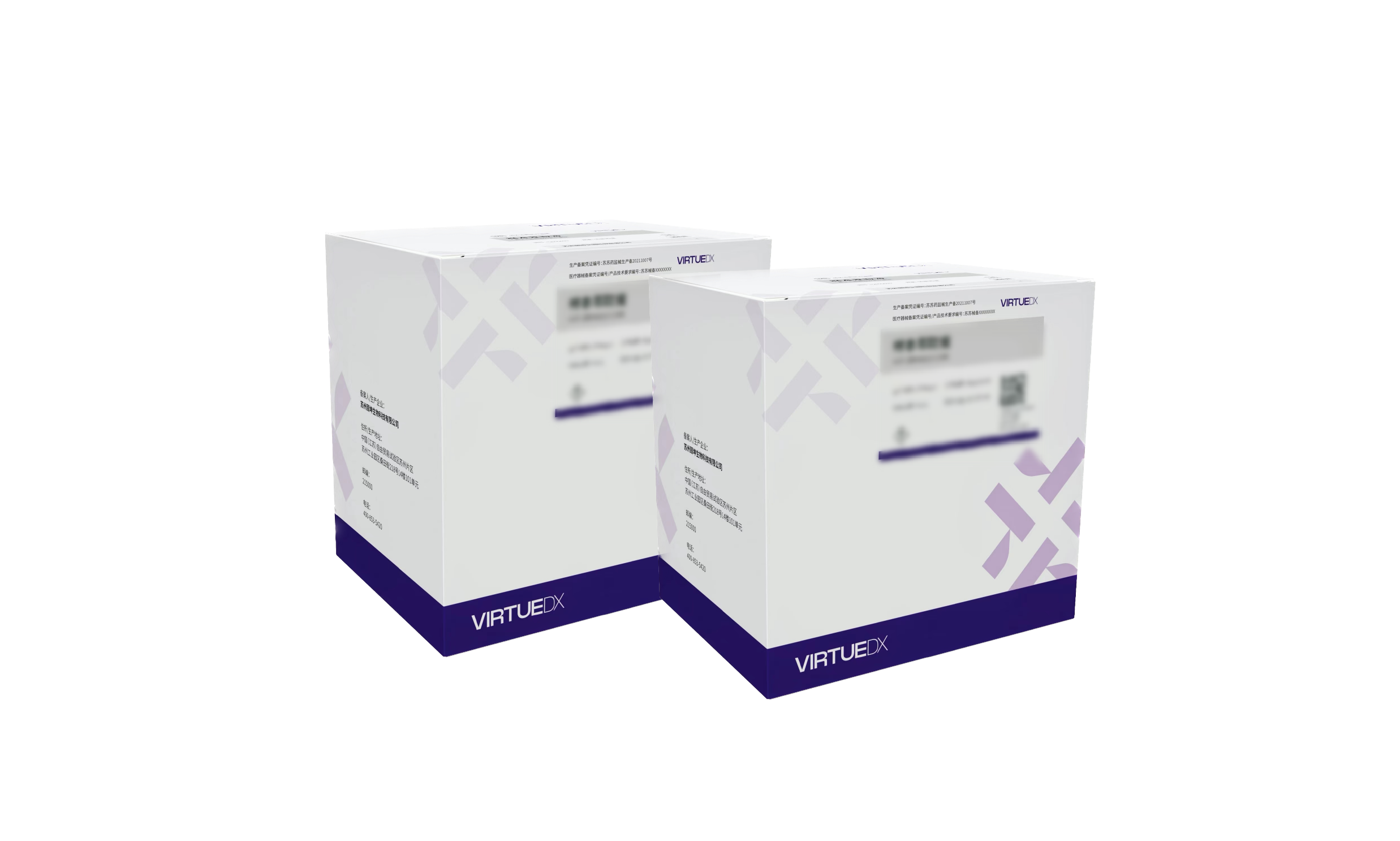
I. Multi-Vitamin Detection Kit
1. Clinical Significance
Vitamins are a class of trace organic substances essential for humans and animals to maintain normal physiological functions, playing vital roles in growth, metabolism, and development. They are categorized into fat-soluble vitamins (A, D, E, K) and water-soluble vitamins (B vitamins and vitamin C).
Vitamin insufficiency or excess is widespread in China. Experts estimate that approximately one in three individuals may have subclinical vitamin deficiency, particularly among pregnant women, children, and the elderly.
2. Detection Indicators
- Fat-soluble vitamins: Vitamin A, Vitamin D, Vitamin E, Vitamin K
- Water-soluble vitamins: Vitamin B1, B2, B3, B5, B6, B7, Vitamin C
3. Vitamin Deficiency & Excess Symptoms
| Vitamin | Deficiency Symptoms | Overdose Symptoms |
|---|---|---|
| Vitamin A | Nutritional anemia, night blindness, corneal dryness, dry and flaky skin | Bone decalcification, growth inhibition; dry and itchy skin, headache, muscle weakness |
| Vitamin D | Rickets in children, osteoporosis in adults | Headache, anorexia, nausea, vomiting, thirst, drowsiness, polyuria, high fever |
| Vitamin E | Infertility, miscarriage, muscular atrophy | Acute poisoning, may cause thrombosis, lead to menorrhagia or amenorrhea |
| Vitamin K | Bleeding disorders | Severe jaundice or hemolytic anemia, liver cell damage, allergic reactions |
| Vitamin B1 | Neuritis, beriberi, loss of appetite, indigestion, growth retardation | Dizziness, diarrhea, edema, arrhythmia |
| Vitamin B2 | Oral ulcers, dermatitis, angular cheilitis, glossitis | Renal tubular obstruction, oliguria, kidney dysfunctions |
4. Target Population
- Pregnant and lactating women, children, the elderly, and other vulnerable groups prone to deficiencies
- Postoperative patients
- Cancer patients
- Patients with autoimmune diseases
- Patients with kidney or liver diseases
- Patients with osteoporosis or low-trauma fractures
- Individuals with gastrointestinal disorders
- People engaged in long-term indoor or night-shift work
- Obese individuals
5. Reagent Kit Advantages
Flexible Sample Types: Suitable for serum and plasma
Wide Linear Range: Accurately quantifies both low and high concentration samples
User-Friendly Operation: Calibrators require no secondary aliquoting; simple pretreatment process
Traceable Accuracy: Calibration traceable to international reference materials from NIST, USA
Enhanced Stability: Quality controls and calibrators are lyophilized powders, ensuring stable quality and a long shelf life
II. Steroid Hormone Detection Kit
1. Clinical Significance
Steroid hormone testing can be used for the screening and diagnosis of conditions such as Congenital Adrenal Hyperplasia (CAH) and Polycystic Ovary Syndrome (PCOS).
PCOS is a common endocrine and metabolic disorder with a prevalence of approximately 5%-10% among women of reproductive age. Common clinical manifestations include menstrual irregularities, infertility, hyperandrogenemia, and polycystic ovarian morphology.
2. Hormone Categories & Detection Indicators
| Category | Indicators | Clinical Note |
|---|---|---|
| Androgens | Testosterone, Androstenedione, DHEA, DHEA-S, DHT | Elevated levels are most typical in PCOS |
| Progestogens | 17-OH-P, Progesterone | Distinguish from NCCAH |
| Glucocorticoids | Cortisol, Cortisone | Rule out Cushing's syndrome |
| Estrogens | Estrone, Estradiol, Estriol | Evaluate ovarian function |
3. Target Population
- Female patients with polycystic ovarian morphology
- Patients with obesity, diabetes, dyslipidemia
- Patients on long-term hormone therapy
- Individuals preparing for pregnancy
- Menstrual disorders (irregular, infrequent periods), amenorrhea
- Manifestations of hyperandrogenemia: hirsutism, acne, virilization, alopecia
- Ovulation disorders, infertility, recurrent miscarriage
4. Reagent Kit Advantages
High Sensitivity: Offers high detection sensitivity and stable results at low concentrations
Interference Removal: Solid-phase extraction (SPE) pretreatment removes proteins
Excellent Specificity: Avoids interference from structural analogs
Comprehensive Panel: Uniform standard enabling simultaneous detection of multiple PCOS-related steroid hormones
III. Catecholamine and Metabolites Detection Kit
1. Clinical Significance
Pheochromocytoma (PCC) and Paraganglioma (PGL), collectively termed PPGL, are neuroendocrine tumors that cause endocrine hypertension. PPGLs synthesize, secrete, and release large amounts of catecholamines (CAs), leading to a series of clinical syndromes including elevated blood pressure and metabolic alterations.
Catecholamines and their metabolites are highly polar, structurally similar, exist at low concentrations in plasma, and are subject to significant interference. Traditional clinical methods cannot simultaneously detect catecholamines and their metabolites. The 2020 edition of the Expert Consensus recommends LC-MS/MS as the preferred method.
2. Target Population
- Patients with paroxysmal hypertension
- Patients with accelerated/malignant hypertension
- Patients with previously controlled hypertension experiencing sudden worsening
- Hypertensive patients under 30 years old
- Patients with unexplained hypokalemia
- Patients presenting with the classic triad of headache, palpitations, and sweating
- Patients with adrenal incidentalomas
3. Detection Indicators
- Catecholamines: E (Epinephrine), NE (Norepinephrine), DA (Dopamine)
- Metabolites: MN (Metanephrine), NMN (Normetanephrine), 3-MT (3-Methoxytyramine)
4. Reagent Kit Advantages
High Sensitivity: Detection sensitivity as low as 5 pg/mL enables precise screening
Convenient Sampling: Plasma samples are more suitable for outpatient screening compared to urine
Excellent Specificity: LC-MS/MS methodology avoids interference from structural analogs
Superior Methodology: Non-derivatization method, free of highly toxic substances