
SUPERFLEX POCT Chemiluminescence Immunoassay Platform: High-Sensitivity Cardiac Troponin I (hs-cTnI)
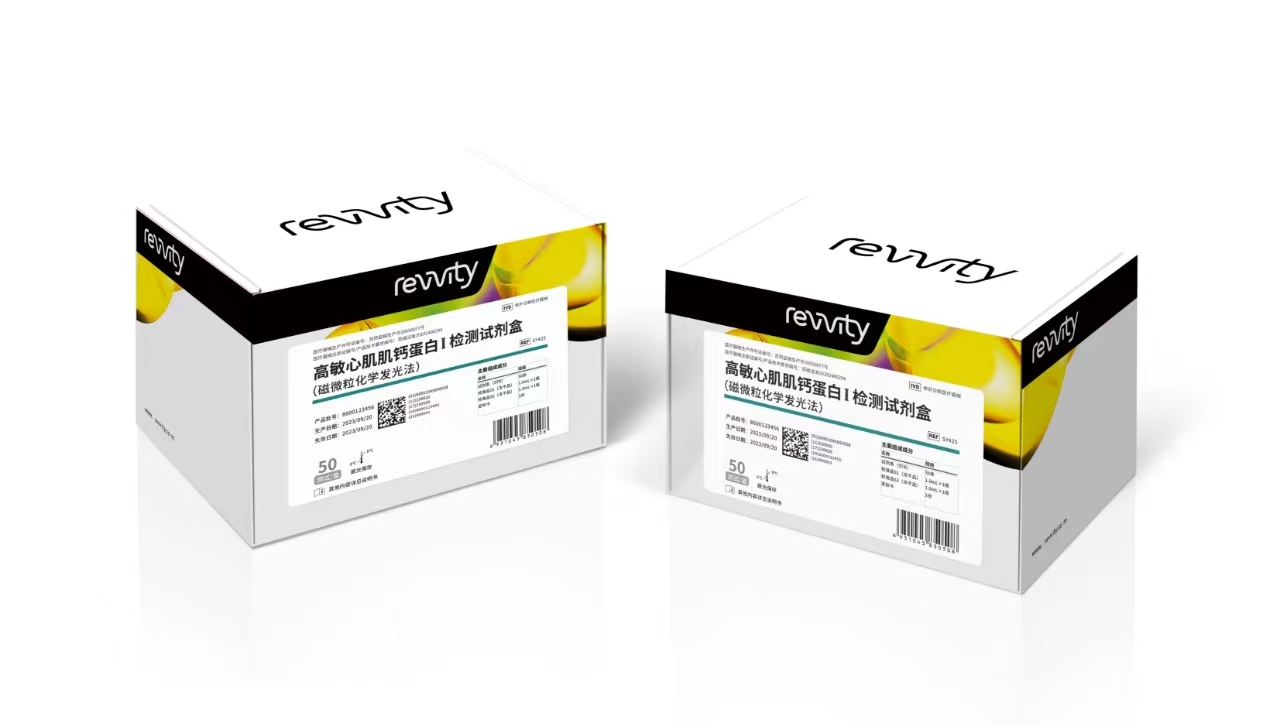
Cardiac Troponin (cTn) is a protein complex found in cardiac muscle, consisting of three subunits: Troponin T (cTnT), Troponin I (cTnI), and Troponin C (cTnC). Both cTnI and cTnT exhibit high myocardial specificity; specifically, cTnI possesses approximately 40% myocardial specificity, while cTnT is approximately 20%.
While both hs-cTn and conventional cTn assays measure the same protein, they differ in analytical sensitivity, primarily reflected in the detection rate among the "apparently healthy" population. hs-cTn assays can detect troponin in a significant proportion of healthy individuals, facilitating the identification of micro-myocardial injury that may have been overlooked previously. This allows for earlier diagnosis of Acute Myocardial Infarction (AMI), more accurate screening of high-risk cardiovascular patients, and optimized clinical decision-making and prognosis.
I. Clinical Status of High-Sensitivity Cardiac Troponin
High-sensitivity Cardiac Troponin (hs-cTn) testing currently plays a dominant role in the diagnosis of adult myocardial injury. Driven by continuous advancements in detection technology, the FDA first approved hs-cTnI assays in 2017. Research indicates that elevated serum hs-cTnI levels are not only present in cases of definitive myocardial necrosis but may also occur in non-necrotic or reversible myocardial injury, providing critical value for evaluating and predicting the occurrence and prognosis of myocardial-related diseases.
II. Advantages of hs-cTnI Detection
Superior Sensitivity and Precision
- As sensitivity increases, the reporting units shift from ug/L to ng/L.
- Enhanced precision at low concentrations significantly reduces "grey zone" results.
- For patients suspected of NSTE-ACS (Non-ST-Elevation Acute Coronary Syndrome), this leads to an increased rate of AMI diagnosis and a corresponding decrease in unstable angina diagnoses.
Early Marker for Myocardial Injury and Infarction
- Conventional assays typically detect troponin at the nanogram (ng) level, often requiring a 4–6 hour window post-chest pain onset for detection.
- High-sensitivity assays reach the picogram (pg) detection limit, allowing for the identification of potential AMI patients within 1–3 hours of chest pain onset.
III. Interpretation of Expert Consensus
The 3rd Universal Definition of Myocardial Infarction (Expert Consensus by ESC, ACCF, and WHF) recommends the use of hs-cTn. Its application has fundamentally transformed the diagnosis, prognosis, treatment, and risk stratification of Acute Coronary Syndrome (ACS), earning it a Class Ia recommendation for AMI diagnosis.
According to the 2022 Chinese Expert Consensus on the Clinical Application of hs-cTn, an assay is defined as "high-sensitivity" if:
- It detects cTn in over 50% of a healthy reference population.
- The Coefficient of Variation (CV) at the 99th percentile Upper Reference Limit (URL) is ≤10%.
The 2023 ESC guidelines further recommend the use of hs-cTn on automated platforms in central laboratories over lower-sensitivity methods for all suspected ACS cases.
SUPERFLEX POCT Chemiluminescence Immunoassay Platform: Cardiac Markers
The SUPERFLEX Chemiluminescence Immunoassay Platform is built on the principles of "Precision" and "Flexibility." It focuses on acute and critical care, providing timely and reliable diagnostic solutions for cardiovascular and inflammatory markers in clinical departments, ER labs, and central laboratories.
Cardiac Markers Include: hs-cTnI, MYO (Myoglobin), and CK-MB.
Sample Versatility: Supports serum, plasma, and whole blood.
